Call us now :08071794207
 Send Inquiry
 Send Inquiry
Forged Valves
MOQ : 1 Piece
Forged Valves Specification
- Connection Type
- Screwed, Socket Weld, Butt Weld, Flanged
- Valve Size
- DN15 to DN100
- Valve Type
- Forged Valve
- Material
- A105, F304, F316, F11, F22, F51, F53
- Control System
- Manual Handwheel, Electric or Pneumatic Actuator
- Application
- Oil & Gas, Petrochemical, Refinery, Power Plants, Water Treatment
- Voltage
- 24V / 220V / 380V (for actuated models)
- Type
- Gate Valve, Globe Valve, Check Valve, Ball Valve
- Power
- Manual, Pneumatic, Electric
- Pressure
- 150# to 2500#
- Media
- Water, Oil, Steam, Gas
- Port Size
- 1/2 to 4
- Disc
- Forged Stainless Steel, Alloy Steel
Forged Valves Trade Information
- Minimum Order Quantity
- 1 Piece
- Supply Ability
- Piece
- Delivery Time
- as per the quintity Week
About Forged Valves
Forged Valves
Serving our clients with world class range of valves since inception, we gained immense recognition in this domain for presenting an excellent assortment of Forged Valves. Available in different sizes and port openings like 2-port, 3-port and 4-port, these valves are widely used in paper, chemical process and textile industries. Manufactured by using excellent quality SS-304, SS-316 and SS-316L grade materials, our Forged Valves are also customized as per the specification of our clients.
Product Details:
| Color | Black And Red |
| Condition | New |
Versatile Industrial Applications
Forged valves are an ideal solution for using in oil & gas, petrochemical, power generation, refinery, and water treatment sectors. Engineered to withstand high pressures and temperatures, they provide reliable flow control for a wide range of media, including water, oil, steam, and gas. Their robust construction and material diversity ensure efficiency and safety in critical operations.
Comprehensive Design & Standards Compliance
These valves adhere to strict international standardsANSI B16.10 for face-to-face, ANSI B16.5/B16.11/B16.25 for end connections, and API 602/BS 5352/ASME B16.34 for design. Each valve undergoes thorough inspection and testing following API 598 requirements, guaranteeing safety, integrity, and long service life in rugged environments.
Customizable Actuation & Connection Options
Available in manual, pneumatic, or electric actuated variants, our forged valves can be tailored to specific operational requirements. End connections include flanged, socket weld, butt weld, and screwed types, ensuring seamless integration into new or existing piping systems. Power options range from manual handwheels to actuation with voltages of 24V, 220V, or 380V.
FAQs of Forged Valves:
Q: How do forged valves ensure safety and reliability in high-pressure applications?
A: Forged valves are manufactured from robust materials, such as A105, F304, F316, and more, and are designed in compliance with API 602, ASME B16.34, and BS 5352 standards. Their fire-safe design and rigorous API 598 inspection and testing protocols help them perform safely in critical environments, resisting leaks and structural failures at pressures up to 2500# and temperatures up to 425C.Q: What types of end connections are available for these forged valves?
A: These forged valves offer diverse end connection options, including flanged (ANSI B16.5), socket weld (ANSI B16.11), butt weld (ANSI B16.25), and screwed types. This flexibility allows for easy integration into varied piping configurations across industrial sectors.Q: When should I use a full bore versus a reduced bore valve design?
A: A full bore valve is typically used when minimal flow restriction and pressure drop are critical, such as in pigging or high-flow applications. Reduced bore valves are preferred where flow reduction and cost efficiency are acceptable. The choice depends on process requirements and system design priorities.Q: Where are forged valves most commonly installed?
A: Forged valves are most commonly installed in industries like oil & gas, petrochemical, power plants, water treatment, and refineries. These sectors rely on their durability and high-performance characteristics to manage a range of media, including water, oil, steam, and gas, under challenging operating conditions.Q: What is the process for selecting the right packing material for forged valves?
A: Selecting packing material involves considering the operating temperature, pressure, and type of media. Graphite is ideal for high temperatures and aggressive media, while PTFE suits lower temperatures and less corrosive fluids. Each material ensures effective sealing and long-term valve performance.Q: How is the surface finish of the valves protected from corrosion?
A: The valves feature a shot-blasted finish, followed by rust protection, guarding against surface corrosion. This protective treatment extends the service life and preserves the functional and visual integrity of the valves even in harsh industrial environments.Q: What are the benefits of using forged stainless steel or alloy steel discs in these valves?
A: Forged stainless steel or alloy steel discs offer improved mechanical strength, enhanced corrosion resistance, and superior sealing capabilities. This ensures greater reliability, reduced maintenance, and extended operational lifespan, particularly in high-pressure and high-temperature settings.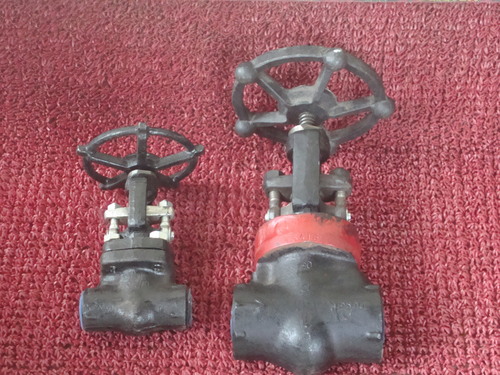
Tell us about your requirement

Price:
Quantity
Select Unit
- 50
- 100
- 200
- 250
- 500
- 1000+
Additional detail
Mobile number
Email

More Products in Industrial Valves Category
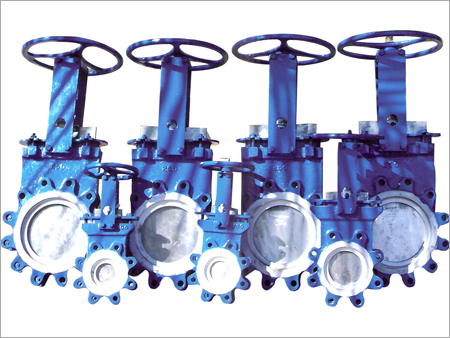
Valves
Minimum Order Quantity : 1 Piece
Media : Other, Water, Oil, Air, Gas, Steam
Type : Ball Valve, Gate Valve, Globe Valve, Butterfly Valve
Control System : Manual, Electric Actuator, Pneumatic Control
Disc : Stainless Steel/Brass/Cast Iron
Material : Forged Brass, Stainless Steel, Cast Iron, PVC
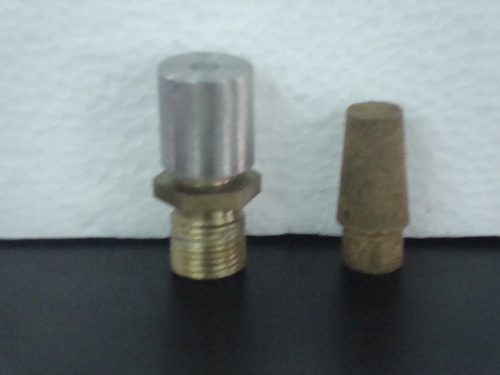
Breather Valve
Minimum Order Quantity : 1 Piece
Media : Other, Air, gas, vapor
Type : Pressure and vacuum relief valve / Breather Valve
Control System : None (direct acting)
Disc : Corrosion resistant metal or plastic
Material : Aluminium / Stainless steel / Carbon steel
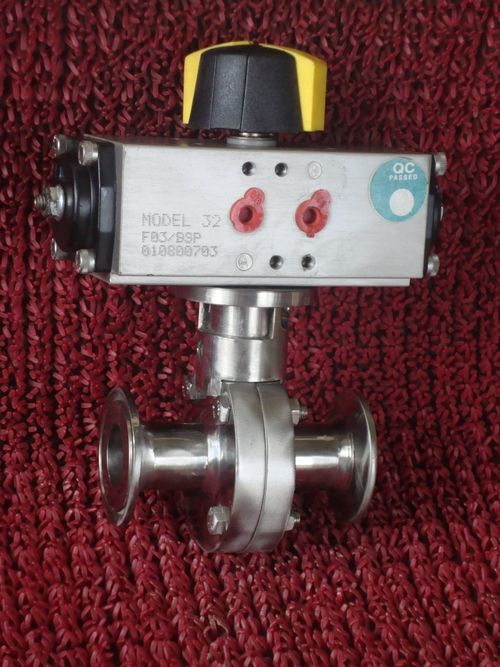
Automated Food Grade Valve
Minimum Order Quantity : 1 Piece
Media : Other, Food liquids, beverages, water, chemicals
Type : Automated Food Grade Valve
Control System : PLC compatible, Sensor feedback supported
Disc : Stainless Steel (SS304/SS316)
Material : Food Grade Stainless Steel (SS316/SS304)
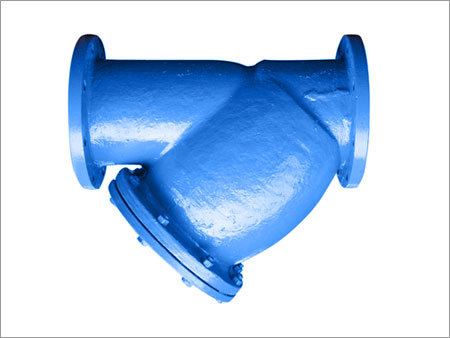
Y Strainer
Minimum Order Quantity : 1 Piece
Media : Other, Water, Oil, Gas, Steam
Type : Y Type Strainer
Control System : Manual; mechanical filtration
Disc : Stainless steel perforated/mesh screen
Material : Cast iron, ductile iron, carbon steel, stainless steel, bronze

 Send Inquiry
Our Products

Plot No.- 71, K.I.A.D.B. Industrial Area, Belur, Dharwad - 580011, Karnataka, India

Mr. Shailesh Hampannavar
(Technical Director)
Mobile :08071794207
Ms. Veena S
(Director Administration & Finance)
 Send Inquiry
 Send SMS
Developed and Managed by Infocom Network Private Limited.
